
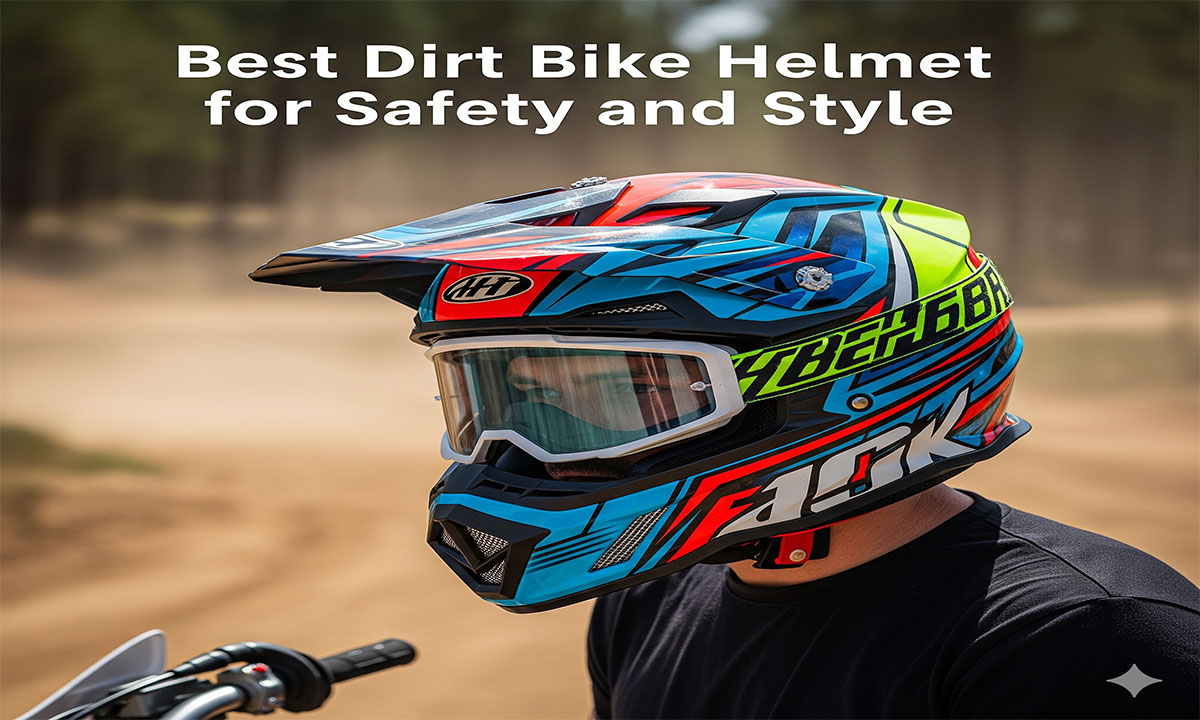

Best Dirt Bike Helmet for Safety and Style
Riding a dirt bike brings freedom and adrenaline, but it also means facing risks on rough trails and tracks. Choosing the best dirt bike helmet is crucial: it protects your head and gives you confidence on the bike. A high-quality off-road helmet blends rigorous safety features (like DOT or ECE certification and MIPS impact liners) with stylish design and comfort. In this guide, we’ll explain how to pick a helmet that excels in protection, fit, and style, whether you’re racing motocross or trail riding on weekends. We also highlight affordable budget dirt bike helmets and explain how certifications and comfort features influence your choice best dirt bike helmet
Key Safety Features to Look For
When evaluating helmets, prioritize safety above all. The helmet must hold official safety certifications that prove it passed impact tests. In the U.S., look for a DOT sticker; in Europe, an ECE label; SNELL certification (often used in racing) indicates even stricter standards. A DOT- or ECE-certified helmet guarantees it “holds up to rigorous testing” for impact protection. In other words, these dirt bike helmet safety ratings (certifications) ensure the helmet can effectively protect your head best dirt bike helmet
Key protective features to compare include:
- Certification Labels: DOT, ECE or SNELL stickers mean the helmet passed standardized impact tests.
- Multi-layer EPS Foam: Helmets use expanded polystyrene (EPS) liners that crush on impact to absorb energy Many helmets use multiple layers or densities of EPS to handle different crash forces.
- Rotational Protection (MIPS): Systems like MIPS add a low-friction layer inside the helmet. On impact, this allows slight sliding to reduce the rotational forces on the brain. This technology can make a significant difference in concussion reduction. For example, Fox Racing notes all its motocross helmets come with MIPS and meet DOT standards best dirt bike helmet
- Durable Shell: The outer shell should be strong (carbon fiber, fiberglass, or a tough polycarbonate composite. A rigid shell protects the EPS liner and your skull. Premium helmets often use lightweight carbon or composite shells for high strength with less weight.
- Emergency Release System: Some high-end helmets include cheek-pad release or breakaway visor systems so that medics can remove the helmet safely after a crash. For instance, the Alpinestars Supertech S-M10 features an Emergency Release System for quick pad removal.
- Sturdy Chinstrap: A strong retention system (double D-ring or FidLock buckle) keeps the helmet firmly on your head even in a crash. A good chinstrap adjusts snugly without coming loose.
These features combined make the helmet protective. As one safety guide summarizes, “the best dirt bike helmet ticks all these boxes: it meets recognized safety standards, has great impact absorption, [and] is made of strong material for the shell” best dirt bike helmet
Shell Material and Weight
The helmet’s shell material greatly influences both safety and weight. Common materials include polycarbonate, fiberglass, carbon fiber, and composite blends. Carbon and composite shells, used in top-end helmets, offer extreme strength with less bulk. For example, the Alpinestars Supertech S-M10 uses a carbon/aramid shell that is both very strong and lightweight.
Lightweight dirt bike helmets tend to weigh less, reducing neck fatigue on long rides, but they still must meet all safety standards. A lighter helmet (around 1.3–1.6 kg or 3–3.5 lbs) is often more comfortable for trail and enduro riding. The Fox Racing V3 RS, for instance, has a carbon fiber shell that provides durability without excess weight. Conversely, a bulky heavy helmet might feel extra safe, but it can strain your neck. It’s important to strike a balance between protection and comfort. Many Comfortable dirt bike helmets achieve this by using advanced materials (like carbon fiber) that allow strong impact protection without heavy weight. In short, look for a helmet that feels light on your head while meeting all safety certifications best dirt bike helmet
Ventilation and Fit for Comfort
Even the safest helmet is of little use if it’s too uncomfortable to wear. Proper ventilation and fit are critical for daily comfort. A good dirt helmet has multiple intake and exhaust vents to channel air through the helmet, cooling you down on hot or muddy rides. For example, the Airoh Aviator 3 features advanced front, chin, and rear vents that provide excellent airflow on scorching days. The Klim F5 Koroyd uses its Koroyd foam sections to add protection and outstanding airflow through the helmet. These vents prevent fogging of goggles and reduce heat buildup.
Inside the helmet, look for removable, washable liners or moisture-wicking fabrics. These liners keep sweat out of your eyes and help the helmet feel fresh. Many high-end helmets (like the Bell Moto-10 Spherical) have plush, quick-dry liners and cheek pads that can be taken out for cleaning. Equally important is fit: the helmet should feel snug around your cheeks and forehead without pressure points or wiggle. Brands often offer multiple shell sizes; for example, the Alpinestars S-M10 comes in six shell sizes so riders of all head shapes can get a perfect fit. A well-fitted helmet not only feels better, it also distributes impact forces more effectively.
Noise reduction is another comfort factor. Some helmets include features (neck rolls, contouring) that channel wind noise away from your ears. Reducing noise can reduce rider fatigue on long rides. Overall, focus on ventilation and fit as much as the hard-shell specs. A comfortable dirt bike helmet—with good airflow and a great fit—is one you’ll actually keep on all ride best dirt bike helmet
Helmets with Integrated Visors
Off-road helmets almost always include a peak or sun visor. This is a hallmark of motocross style, but it also has a safety function. The visor shields your eyes from the sun’s glare, branches, and roost (rocks, mud kicked up by other bikes). According to 509’s safety guide, visors “block out direct sunlight, helping you maintain a clear line of sight…enhanc[ing] your comfort and overall safety”. In practice, a big visor keeps the sun low on the horizon from blinding you on east-west tracks, and it shoves debris away from your face.
Alt: Black and neon-yellow dirt bike helmet with integrated peak visor (sunshield)
Most modern off-road helmets like the Klim F5 or Airoh Aviator have sturdy, adjustable peaks built in. Make sure the visor on your helmet is strong and properly secured (so it doesn’t flop at high speed) and adjustable (some riders tilt it for better airflow). It should also break away or be removable in a hard impact. In short, a dirt bike helmet with visor helps keep sun and junk out of your eyes without compromising protection. This feature adds to both safety and that classic MX look best dirt bike helmet
Style, Graphics, and Colors
Safety is paramount, but style is what makes a helmet yours. The best dirt bike helmet often reflects personal taste through its color and graphics. Brands offer a wide array of designs: neon yellows, bold pinks, camo patterns, or team-inspired graphics are all popular. Fox Racing notes that “Style doesn’t take a back seat…with a wide range of styles, colors, and graphics available”. A great-looking helmet is more than vanity—it means you’ll be proud to wear it. In fact, riders are much more likely to put on their helmet every ride if it matches their gear and personality.
Bright and reflective graphics can also improve visibility to other riders and spectators. Some helmets include reflective strips in the graphics for low-light visibility. On the flip side, classic matte finishes or subtle color schemes have their fans too. Whether you prefer flashy or understated, choose a design you won’t tire of. Remember, even the safest helmet fails if you leave it at home!
In terms of shape, modern MX helmets all share a full-face design with an elongated chin bar (for a roost guard) and an extended back (for neck coverage). Some new designs have slightly sleeker profiles, but all are built to meet the required standards. Ultimately, the best dirt bike helmet for you should match your personal style while still meeting all safety requirements. A helmet that looks cool and feels right is one you’ll actually want to keep on every ride.
Best Budget and Entry-Level Helmets
Safety need not be expensive. There are many best budget dirt bike helmets that still meet high safety standards. For beginners or trail riders on a budget, a mid-range helmet from a reputable brand can be very adequate. For example, Fox’s V1 helmet “mixes essential protection with affordability”, making it a favorite entry-level model. It comes certified and has decent vents and padding, all at a lower price point. Other affordable brands include Fly Racing, Bell, and O’Neal – some of their full-face helmets can be found under $200 on sale.
Even on a shoestring, you can find a helmet that’s safe to ride with. Just double-check that it carries a DOT or ECE sticker and fits you well. You might not get carbon fiber or MIPS at the budget level, but you can still get polycarbonate-shell helmets with good liners. Always try it on – comfort and fit still matter. In a pinch, a cheaper helmet that you always wear is better than a high-end one you squirrel away. As the Motorcycle Closeouts guide emphasizes, “Every component, from safety certifications to ventilation, plays an integral part in your overall off-road experience” and that goes for budget gear too. With sales and discounts, it’s often possible to grab a top-tier helmet at an entry-level price, giving you the best of both worlds.
Top Recommended Dirt Bike Helmets
No matter your riding style or budget, the helmets below are among the best dirt bike helmets on the market:
- Alpinestars Supertech S-M10: Carbon/aramid shell, integrated MIPS, an Emergency Release System (ERS), and excellent ventilation. A top-tier racing best dirt bike helmet.
- Fox Racing V3 RS: Carbon fiber shell with dual-layer MIPS Integra protection, superior air channels, and a precision fit system. Used by many professional racers.
- Shoei VFX-WR 2206: Advanced AIM+ multi-composite shell, lightweight design, and pinlock-ready visor for fog-free visibility. Known for quality fit and finish best dirt bike helmet
- Bell Moto-10 Spherical: MIPS-powered Spherical technology, very high ventilation, and a removable Dri-Lex liner for comfort. It’s lightweight (1.54–1.63 kg) and well-vented best dirt bike helmet
- Klim F5 Koroyd: Carbon fiber shell combined with Koroyd impact-absorbing material (like a honeycomb liner), DOT/ECE certified, and maximum airflow. Koroyd material offers excellent shock absorption.
- Arai MX-V: Long-established design with multiple EPS layers and Arai’s round shell philosophy. Offers an exceptionally snug, comfortable fit and smooth impact dispersion best dirt bike helmet
These models consistently receive high marks for safety, comfort, and style. See sources for details on each helmet’s features.
Conclusion
In conclusion, the best dirt bike helmet is one that puts safety first without sacrificing comfort or style. Always verify certifications (DOT/ECE) and consider advanced safety features like MIPS and emergency-release systems. Make sure it feels secure and breathable on your head. Even a moderately priced helmet that you wear consistently is far better than an expensive one left unused. Ultimately, choose a helmet that meets high safety standards and that you love to wear. With the right helmet, you can tackle the trails with confidence and style, knowing you have the top protection Best Dirt Bike Helmet for Safety and Style
Sources: Expert guides and industry references on helmet safety and design.
